




Lammers Heating & Air Conditioning proudly carries:
Air Conditioners
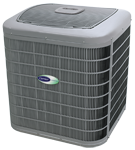
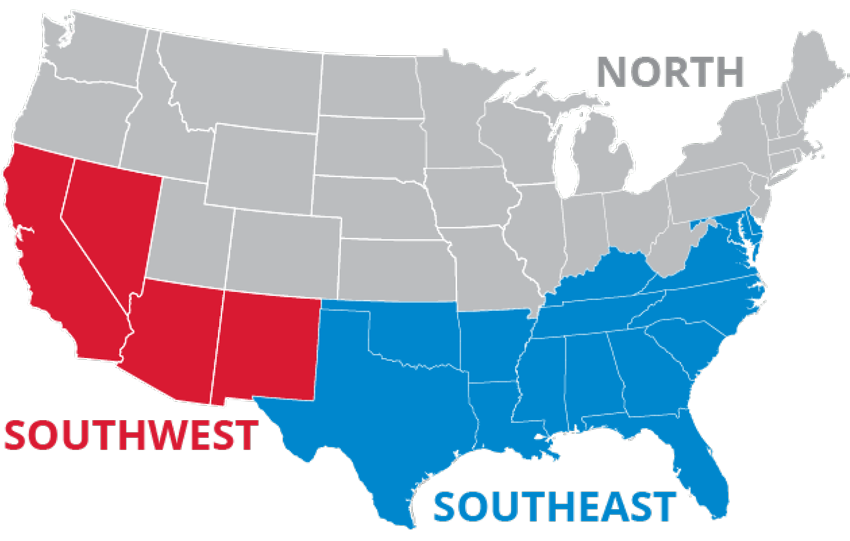
Air conditioners may look similar, but their Seasonal Energy Efficiency Rating (SEER/SEER2 and EER/EER2) can vary widely. For air conditioners, the Department of Energy’s (DOE) new minimum efficiency standards vary by region, so your choice of AC units will depend on where you live.
The DOE’s regional breakdown by state is as follows:
- North
- 14.0 SEER/ 13.4 SEER2
- Southeast
- 15.0 SEER/ 14.3 SEER2
- 12.2 EER/11.7 EER2
- Southwest
- 15.0 SEER/ 14.3 SEER2
- 12.2 EER/11.7 EER2
SEER Versus SEER2
SEER2 is an updated rating standard introduced by the DOE. SEER2 standards are intended to provide a better gauge of typical home operating conditions whereas the older SEER rating utilized very precise protocols to determine ratings in ideal conditions. SEER2 standards include updated testing means that give a better indication of how a unit will operate in the real world.
Much like miles-per-gallon for a car, SEER/SEER2 and EER/EER2 offer an easy way to compare efficiencies of different products – the higher the rating, the more efficient the unit. Just be sure you are comparing either SEER vs SEER or SEER2 vs SEER2 (same for EER/EER2).
EER2 Versus SEER2
EER2 and SEER2 both evaluate an air conditioner’s energy efficiency, but they’re concerned with two different types of temperature conditions:
- EER2 measures an air conditioner’s efficiency at the peak cooling temperature of 95°F.
- SEER2 measures an air conditioner’s efficiency throughout an entire cooling season, with temperatures ranging from 65°F to 104°F.
Lammers Heating & Air Conditioning Can Help You Choose
We currently offer a line of air conditioners that meet the local minimum rating and go all the way up to a 24 SEER2. Depending on your average usage, higher SEER2/EER2 air conditioners can significantly reduce your electric bill.
Additionally, we offer many air conditioners that have advanced features, such as 2-stage compressors and variable speed fan operation. These features not only improve the comfort level of your home but can provide additional energy savings as well. Call us now at (517) 787-6984.
Heat Pumps
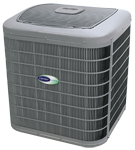
Heat pumps are a great solution for your home comfort system when electricity is your only source of energy because they work to provide both heating and cooling. Heat pumps have SEER/SEER2 and EER/EER2 ratings like air conditioners and Heating Seasonal Performance Factor (HSPF/HSPF2) ratings for measuring heating efficiency.
The Department of Energy’s (DOE) new minimum efficiency national standard for Heat pumps is 15.0 SEER/14.3 SEER2/11.7 EER2 and 8.8 HSPF/7.5 HSPF2. This is a standard across the United States. Higher SEER/SEER2 and HSPF/HSPF2 ratings mean greater energy savings.
SEER/SEER2 and HSPF/HSPF2
SEER2 is an updated rating standard introduced by the DOE. SEER2 standards are intended to provide a better gauge of typical home operating conditions whereas the older SEER rating utilized very precise protocols to determine ratings in ideal conditions. SEER2 standards include updated testing means that give a better indication of how a unit will operate in the real world.
HSPF2 is the newest type of rating system that expands on the basic HSPF scale.
Much like miles-per-gallon for a car, SEER/SEER2, EER/EER2 and HSPF/HSPF2 offer an easy way to compare efficiencies of different products – the higher the rating, the more efficient the unit. Just be sure you are comparing either SEER vs SEER or SEER2 vs SEER2 (same for EER/EER2 and HSPF/HSPF2).
EER2 Versus SEER2
EER2 and SEER2 both evaluate an air conditioner’s energy efficiency, but they’re concerned with two different types of temperature conditions:
- EER2 measures an air conditioner’s efficiency at the peak cooling temperature of 95°F.
- SEER2 measures an air conditioner’s efficiency throughout an entire cooling season, with temperatures ranging from 65°F to 104°F.
Let Lammers Heating & Air Conditioning Walk You Through All The Heat Pump Choices
Heat pumps are a very efficient alternative to electric baseboard heat alone. A heat pump works the same as an air conditioner in the summer, but it runs in reverse in the winter to heat your home. If needed, the system will be matched with a backup heating source, most often electric strip heating elements, for those extremely cold days of winter.
Just like our air conditioners, many of our heat pumps have advanced features, such as 2-stage compressors and variable speed fan operation. These features not only improve the comfort level of your home, but can provide additional energy savings as well. Call us now at (517) 787-6984.
Air Handlers
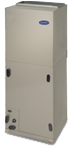
The air handler is the indoor component of a heat pump system. It includes the fan and the heating/cooling coil. The air handler is designed for a particular refrigerant, so it must be matched with the heat pump or air conditioner.
We offer many air handlers with variable and multi-speed features that can provide enhanced indoor comfort by slowly ramping up to your thermostat setting rather than simply turning on at full speed. This alleviates the "cold air blow" often associated with single speed air handlers, and dramatically reduces system noise.
Gas Furnaces
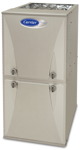
Today's new high efficiency furnaces can save up to 50% in operating costs over a ten-year-old furnace. Many 1990 and earlier model furnaces have Annual Fuel Utilization Efficiency (AFUE) ratings of 65% or less. The minimum AFUE rated furnace that can be sold in the United States today is 80% for the Southeast and Southwest, with 90% being the minimum in the North.
Our current product offering starts at 80% AFUE and goes all the way to a very efficient 98%+ AFUE rating. Depending on your average usage, higher AFUE rated furnaces can significantly reduce your gas bill.
The DOE’s regional breakdown by state is as follows:
- North – 90% AFUE
- Southeast – 80% AFUE
- Southwest - 80% AFUE
Let Lammers Heating & Air Conditioning Help Pick The Right Furnace For Your Home
We offer many furnaces with variable and multi-speed features that can provide enhanced indoor comfort by slowly ramping up to your thermostat setting rather than simply turning on at full speed. This alleviates the "cold air blow" often associated with single speed furnaces, and dramatically reduces system noise. Call us now at (517) 787-6984.
Oil Furnaces
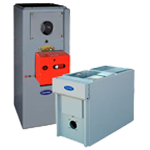
Our oil furnaces use no.2 fuel oil burned in a sealed chamber to heat an exchanger. Just like gas furnaces, oil furnaces also carry AFUE ratings and start at 80% AFUE.
Packaged Units
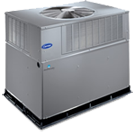
Our complete line of packaged systems include Packaged Air Conditioners, Packaged Gas Furnaces and Air Conditioners, Packaged Heat Pumps and Packaged Hybrid Heat. These self-contained systems are located outside of the home, mounted on the ground or the roof, and ducted into the home.
Just like individual furnaces, air conditioners and heat pumps, these package units carry SEER/SEER2, EER/EER2, AFUE and HSPF/HSPF2 ratings. The higher the rating, the more energy efficient the unit is. The Department of Energy’s (DOE) new minimum efficiency standards vary by region, so your choice of package units will depend on where you live.
The DOE’s regional breakdown by state is as follows:
- North
- 14.0 SEER/ 13.4 SEER2
- 8.0 HSPF/6.7 HSPF2
- 80% AFUE
- Southeast
- 15.0 SEER/ 14.3 SEER2
- 8.0 HSPF/6.7 HSPF2
- 90% AFUE
- Southwest
- 15.0 SEER/ 14.3 SEER2
- 8.0 HSPF/6.7 HSPF2
- 90% AFUE
SEER/SEER2 And HSPF/HSPF2
SEER2 is an updated rating standard introduced by the DOE. SEER2 standards are intended to provide a better gauge of typical home operating conditions whereas the older SEER rating utilized very precise protocols to determine ratings in ideal conditions. SEER2 standards include updated testing means that give a better indication of how a unit will operate in the real world.
HSPF2 is the newest type of rating system that expands on the basic HSPF scale.
Much like miles-per-gallon for a car, SEER/SEER2, EER/EER2, AFUE and HSPF/HSPF2 offer an easy way to compare efficiencies of different products – the higher the rating, the more efficient the unit. Just be sure you are comparing either SEER vs SEER or SEER2 vs SEER2 (same for EER/EER2 and HSPF/HSPF2).
EER2 versus SEER2
EER2 and SEER2 both evaluate an air conditioner’s energy efficiency, but they’re concerned with two different types of temperature conditions:
- EER2 measures an air conditioner’s efficiency at the peak cooling temperature of 95°F.
- SEER2 measures an air conditioner’s efficiency throughout an entire cooling season, with temperatures ranging from 65°F to 104°F.
Right-Size Your HVAC Packaged Units. Give Lammers Heating & Air Conditioning A Call Today!
We carry a wide offering that includes advanced features such as 2-stage compressors, variable speed fans and quiet operation. Call us now at (517) 787-6984.
Hybrid Heat
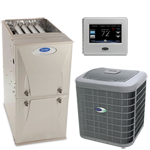
With a traditional heating and cooling system, if you wanted to save more, you had to use less. But a Hybrid Heat system combines the benefits of intelligent control for both gas and electric heating to create an intuitive system that can actually react to changing conditions.
No matter what the temperature is outside, a Hybrid Heat system will automatically select the fuel source most efficient for your home, which means you'll stay warm in the winter, cool in the summer and save money all year long.
To design a Hybrid Heat system for your home, we professionally match one of our heat pump units with a natural gas furnace. Contact us to see how much energy you can save over your existing system.
Duct Free Systems
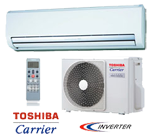
Duct free heating and cooling systems make your home's individual rooms or other small spaces more comfortable. Remember, just like whole-home systems, the higher the SEER/SEER2 and HSPF/HSPF2 ratings, the more efficient they will be.
The DOE’s regional breakdown by state is as follows:
- North
- 14.0 SEER/ 13.4 SEER2
- 8.8 HSPF/7.5 HSPF2
- Southeast
- 15.0 SEER/ 14.3 SEER2
- 12.2 EER/11.7 EER2
- 8.8 HSPF/7.5 HSPF2
- Southwest
- 15.0 SEER/ 14.3 SEER2
- 12.2 EER/11.7 EER2
- 8.8 HSPF/7.5 HSPF2
SEER/SEER2 And HSPF/HSPF2
SEER2 is an updated rating standard introduced by the DOE. SEER2 standards are intended to provide a better gauge of typical home operating conditions whereas the older SEER rating utilized very precise protocols to determine ratings in ideal conditions. SEER2 standards include updated testing means that give a better indication of how a unit will operate in the real world.
HSPF2 is the newest type of rating system that expands on the basic HSPF scale.
Much like miles-per-gallon for a car, SEER/SEER2, EER/EER2 and HSPF/HSPF2 offer an easy way to compare efficiencies of different products – the higher the rating, the more efficient the unit. Just be sure you are comparing either SEER vs SEER or SEER2 vs SEER2 (same for EER/EER2 and HSPF/HSPF2).
EER2 vs. SEER2
EER2 and SEER2 both evaluate an air conditioner’s energy efficiency, but they’re concerned with two different types of temperature conditions:
- EER2 measures an air conditioner’s efficiency at the peak cooling temperature of 95°F.
- SEER2 measures an air conditioner’s efficiency throughout an entire cooling season, with temperatures ranging from 65°F to 104°F.
Call Lammers Heating & Air Conditioning To Find Out If Duct-Free Systems Are Right For You.
We offer a variety of through-the-wall packaged terminal air conditioners (PTAC) and duct free heating and cooling systems to meet any individual room's needs. Call us now at (517) 787-6984.
Thermostats
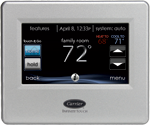
Thermostats are used to turn on heating or cooling systems to bring the home to a set temperature. In addition to basic temperature control, programmable thermostats can be used to manage the indoor environment of your home at different times of the day or week. This type of control can have a dramatic impact on the overall energy use of your home. We carry a complete line of thermostats. Let us help you choose the one that best matches your lifestyle.
Zoning Products
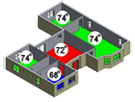
Zoning can provide optimum comfort with increased energy savings in your home by dividing a home into areas with similar heating and cooling needs and independently controlling the temperature in each area. Much like multiple light switches that independently control lighting in different rooms, with zoning, multiple zone thermostats or sensors control temperature in different areas of the home. Contact us for an in-home evaluation and estimate.
Air Cleaners
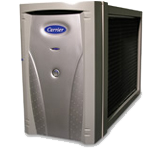
Air cleaners effectively remove bacteria, pollen, animal dander and other pollutants as small as 0.01 microns. That's 18,000 times smaller than the head of a pin. The higher the Minimum Efficiency Reporting Value (MERV), the more efficiently the cleaner removes particles. We offer air cleaners that range from MERV 10 to MERV 15 to meet your needs. For those families that have severe allergies, we also offer Whole House High Efficiency Particulate Arresting (HEPA) filtration systems.
Humidifiers
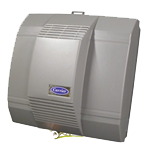
Humidifiers work in tandem with your heating system to deliver desired humidity levels throughout your home. Maintaining proper humidity levels in your home is essential to maintaining indoor comfort during the winter months. Moderate humidity levels make you feel warmer at lower temperatures, which means you can set your thermostat lower without sacrificing comfort.
Depending on the size of your home, we offer a variety of humidifiers to deliver the right amount of moisture into the air. Sizing of humidifiers is measured in Gallons Per Day (GPD), and we offer models from 12 GPD to 18 GPD.
Ventilators
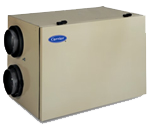
Ventilators bring fresh air into your home without losing heating or cooling energy. Their unique energy exchange system transfers the heating or cooling energy from the stale air being exhausted from your home to the fresh air the ventilator brings into your home.
If your family suffers from allergies, ventilators are a much better alternative for introducing fresh air into your home versus opening your windows. They also do a great job of reducing cooking and pet odors, smoke and other pollutants out of your home.
UV Lights
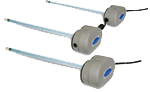
Ultraviolet light kills bacteria and mold growing on your indoor coil before they are circulated throughout your home. UV lamps are installed near your existing indoor coil and work diligently to rid your home of the bacteria, viruses, mold and germs that impact your home's health. We install 1 or 2 lights per indoor coil, depending on the size of the coil.
Carbon Monoxide Detectors
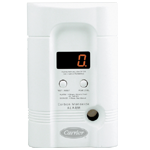
Carbon Monoxide (CO) is a colorless, odorless, and tasteless gas which makes it extremely dangerous. CO detectors can protect your family from deadly carbon monoxide gas. Fuel-burning appliances such as oil and gas furnaces, gas water heaters, gas ranges and ovens, gas dryers, gas or kerosene space heaters, fireplaces and wood stoves are all sources of carbon monoxide.
A monitored carbon monoxide detector will alert you if high levels of this deadly gas are detected. Local building ordinances require the installation of carbon monoxide detectors in your home. An expert technician from Lammers Heating & Air Conditioning can properly install your CO detector and ensure it's functioning correctly.
Garage Heaters
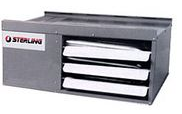
When winter hits, there's one area that we often wish was warmer than it is; the garage. If you have a detached garage that houses your vehicles or workshop, you may want to consider looking at a garage heater. These can not only make the air in the building warmer and more comfortable, but it can actually help when it comes to warming up the car or truck in the morning. We offer a wide selection of electric and gas garage heating systems.

For More Information on Sterling Heaters Click Here
Fireplaces & Gas Logs
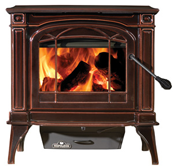
Through our partnership with Napoleon Fireplaces, Lammers Heating & Air Conditioning offers many different fire systems to enhance the warmth an beauty of your home: inside and out.
- Gas Fireplaces
- Woodburning Fireplaces
- Electric Fireplaces
- Fireplace Inserts
- Mantels
- Outdoor Fireplaces/Pits
- Outdoor Heaters

For more information Click Here
Tanked Water Heaters
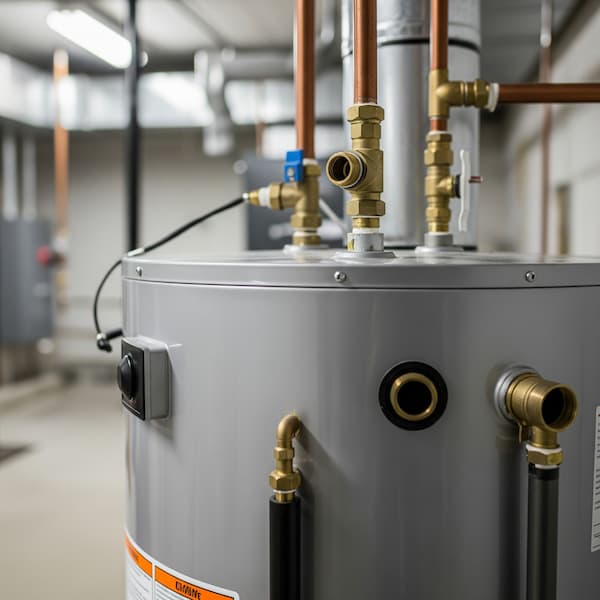
Choosing a new water heater is an important decision for any homeowner. One of the most common and traditional options is the tanked water heater. Another option to consider is a tankless water heater, however both have their advantages and disadvantages. Knowing the differences between the two can be useful as you make the decision if tanked water heaters are right for you.
How Do Tanked Water Heaters Work?
Tanked water heaters store a large volume of water and heat it so it's ready when you need it. Cold water enters through the bottom and is heated by a gas burner or electric heating. A thermostat monitors the temperature and will turn the heating system on and off to keep the water at a consistent temperature. When you turn on a hot water faucet, the cold water pushes the hot water through your home's pipes. The cycle continues, ensuring you have a steady supply of hot water.

The Basics of Tanked Water Heaters
How Much Does A New Tanked Water Heater Cost?
The total cost for a new tanked water heater can vary significantly, depending where you live. There are several other factors that will also affect the price of your new water heater, such as the fuel type, tank size, and how complex the installation process is. It's best to get a price quote from a local technician prior to making a decision and if you give Lammers Heating & Air Conditioning a call at (517) 787-6984, we'll be happy to come out to take a look. The initial cost for a tanked water heater is typically less than the cost of a tankless water heater, however your tanked unit will need regular maintenance to increase its lifespan.
How Long Will My Tanked Water Heater Last?
On average, a tanked water heater will last between 8 and 12 years. However, this lifespan can be greatly influenced by a variety of factors, so regular maintenance is crucial in extending the life of your unit. When compared to tankless water heaters, they do have a smaller life expectancy, but the simplicity of repairing and installing a new tanked water heater is far less complicated and saves money in this aspect.
Will My Tanked Water Heater Still Work During A Power Outage?
One of the benefits of having a tanked water heater that is gas powered means that you will have hot water, even if your power goes out. Gas-powered tanked water heaters often continue to operate during a power outage because they use a pilot light to ignite the burner, unlike a tankless water heater, which relies on electricity.
What Size Water Heater Do I Need?
The appropriate size for a tank water heater depends on the number of people in your household and your peak hot water usage. A common guideline is:
- 1-2 people: 30-40 gallons
- 2-3 people: 40-50 gallons
- 3-4 people: 50-60 gallons
- 5+ people: 60-80 gallons or more

The Advantages Of A Tanked Water Heater
Lower Upfront Cost
Both the unit itself and the installation are typically more budget-friendly compared to their tankless counterparts. This makes them an attractive option for homeowners who need a new water heater without a substantial initial investment. Installation of a tanked water heater is generally a more straightforward process. Because they have been the standard for decades, most homes are already plumbed and configured for a tank-style unit, simplifying the replacement process and reducing labor costs.
Simultaneous hot water to multiple outlets
Another key advantage is the ability to supply hot water to multiple outlets simultaneously without a significant drop in pressure. The reservoir of heated water ensures that you can run a shower and a dishwasher at the same time, a scenario where some smaller tankless units might struggle to keep up. However, this will also draw down your hot water supply more quickly.
Widely Used & Understood System
Finally, the technology behind tanked water heaters is well-established and understood. This long history translates to a wide availability of parts and a large pool of qualified technicians who are familiar with their installation and repair. This can provide peace of mind for homeowners who value proven reliability and easy access to service.
The Disadvantages Of A Tanked Water Heater
Energy Inefficiency
The biggest drawback is "standby heat loss." The heater must continuously use energy to keep the large volume of water in the tank hot, even when no one is using it. This can lead to higher monthly utility bills compared to tankless models. In contrast, the tankless water heater is known for its high energy efficiency, which is beneficial for a lower utility cost.
Limited Hot Water Supply
The amount of hot water you can use is limited. Once the hot water is depleted, you must wait for the tank to refill and reheat, which can take a significant amount of time. The system is entirely dependent on the size of its tank, and once the hot water is used up it can take 20 minutes to over an hour to replenish. This is more common if you take long showers or have multiple appliances drawing on hot water simultaneously.
Vulnerable To Leaks
Over time, a tanked water heater becomes susceptible to leaks that can cause significant damage to your home. The most common cause is corrosion of the steel tank's interior. This occurs when the anode rod is not replaced after a certain amount of time, and the tank's lining begins to rust, eventually leading to small cracks and pinhole leaks. This is not as much of a concern as long as proper maintenance is performed on your water heater.
Discuss your water heater options with the experts at Lammers Heating & Air Conditioning
Ready to find the perfect water heater for your home? Our technicians are happy to meet with you, discuss your options, and identify any factors that might affect your installation.
To schedule your appointment, give us a call today at (517) 787-6984.